Open-source · f/stack
One photo can't hold two focus points.
Two photos can.
Shoot a macro subject sharp, shoot the background sharp, and let NeutroFuse combine them into one image that's sharp throughout — the way focus stacking is supposed to work, free and in your browser.
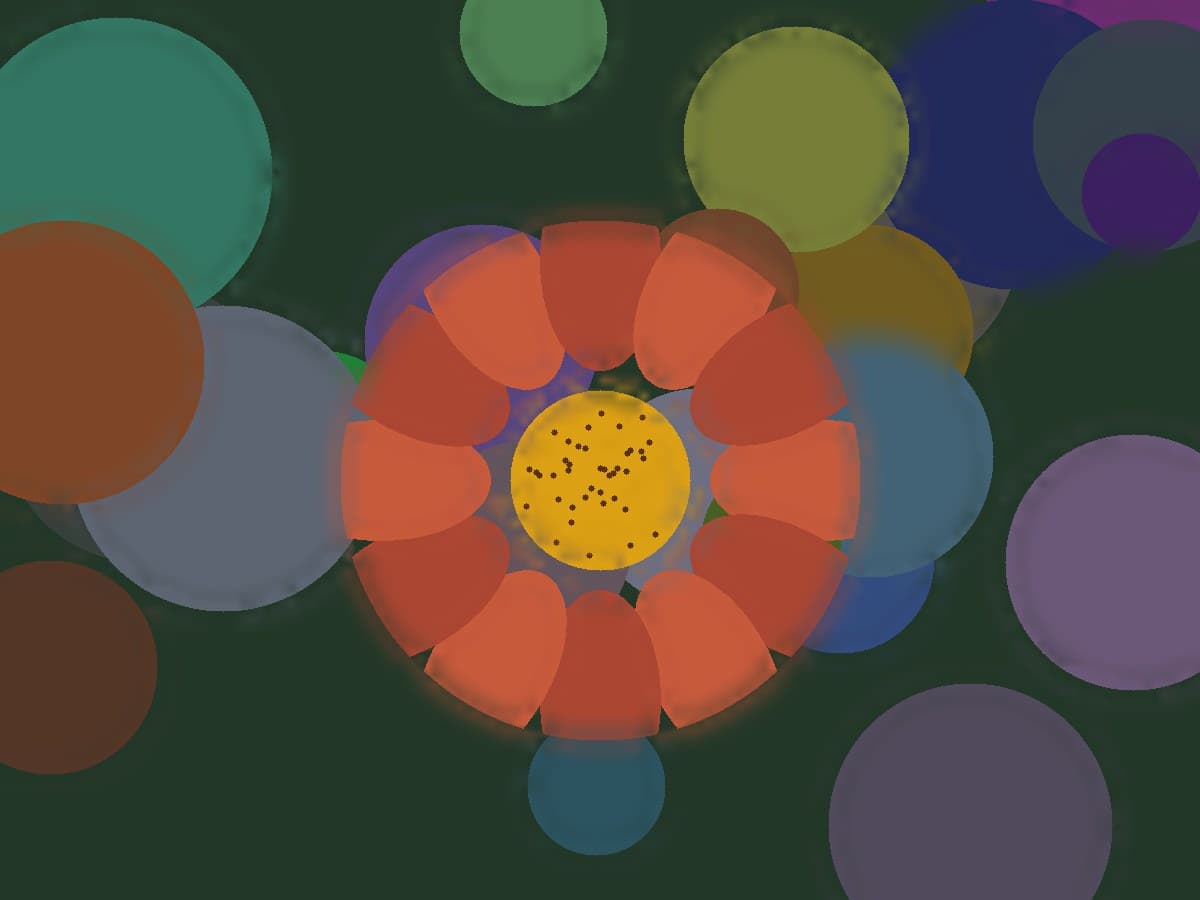
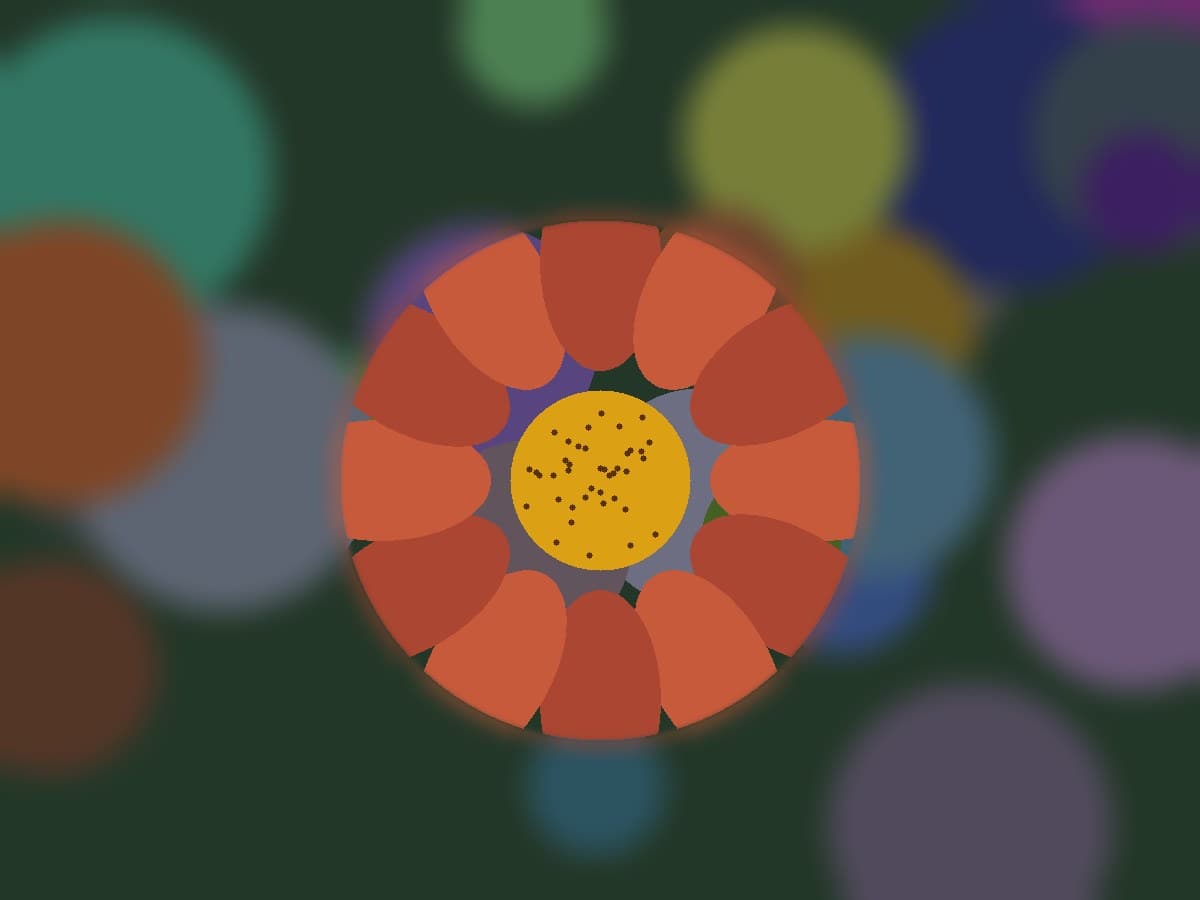
Drag the divider — both halves come from the same two source photos. Real output, not a mockup.
Fuse your own photos
Two shots of the same scene, same framing, different focus points. JPEG, PNG, or WebP. We resize large photos in your browser before anything uploads, so this stays quick.
Photo A
Focused on the subject
JPEG, PNG, or WebP — up to 12MB
Photo B
Focused on the background
JPEG, PNG, or WebP — up to 12MB
What's actually happening
Most fusion tools either average the two photos (which blurs everything a little) or make a hard sharp/blurred decision per pixel (which can look stitched at the seam). NeutroFuse does neither.
Measure confidence, not just sharpness
Every small patch of each photo gets a confidence score — and, separately, a score for how undecidable that patch is. Genuinely ambiguous regions get flagged rather than guessed at.
Ask the neighborhood
For ambiguous patches, the decision isn't made in isolation. It's resolved by consensus with perceptually similar nearby patches — a hypergraph vote, not a coin flip.
Blend, don't cut
The final image is composed with smooth, center-preserving interpolation between patches, so the seam between 'this came from photo A' and 'this came from photo B' is never visible.
We tested this honestly, including the parts that didn't go perfectly. Against Guided Filter Fusion — a real, established method, not a strawman — NeutroFuse wins clearly on information retention, wins narrowly on edge preservation, and shows no advantage on raw sharpness. The full numbers, including a real bug we found and fixed along the way, are in the research report.
Built to be read, forked, and improved
Both halves of this project are MIT-licensed. The method, the evaluation, and the known limitations are documented in the open — including a normalization bug and an upstream OpenCV defect we found and fixed, not just the parts that went well.
Fusion pipeline + API
The actual method — neutrosophic components, hypergraph construction, the FastAPI service this site calls.
neutrofuse-api →Research report
Full methodology, statistical comparisons against two baselines, and an honest account of what didn't work.
Read the report →